
Trenching and excavation safety training
Trenching and excavation work is dangerous. Hazards include cave-ins, struck-by injuries, electrical contact, and slips, trips and falls. This training helps your crews recognize and control them.
Trenches and excavations
An excavation is a hole left in the ground after material is removed. A trench is an excavation that is deeper than it is wide. Ministry of Labour inspectors target excavation work such as:
- Trenching to install or repair gas, electrical, telecommunications and sewer services
- Building foundations
- Soil retention
- Digging basements for homes
- Forming footings for buildings and bridges
- Road construction and repair
Cave-ins
Cave-ins are one of the biggest hazards. An unstable trench can collapse and bury a worker. Trench stability depends on factors such as:
- Improper use or installation of a support system or trench box
- Soil type and moisture
- Weather and vibration
- Depth of the trench and how long it stays open
- Excessive weight near the trench
- Nearby buildings, existing foundations and previous excavations
Protecting workers
There are three basic ways to protect workers from cave-ins: sloping, shoring and trench boxes.
Related courses
All safety training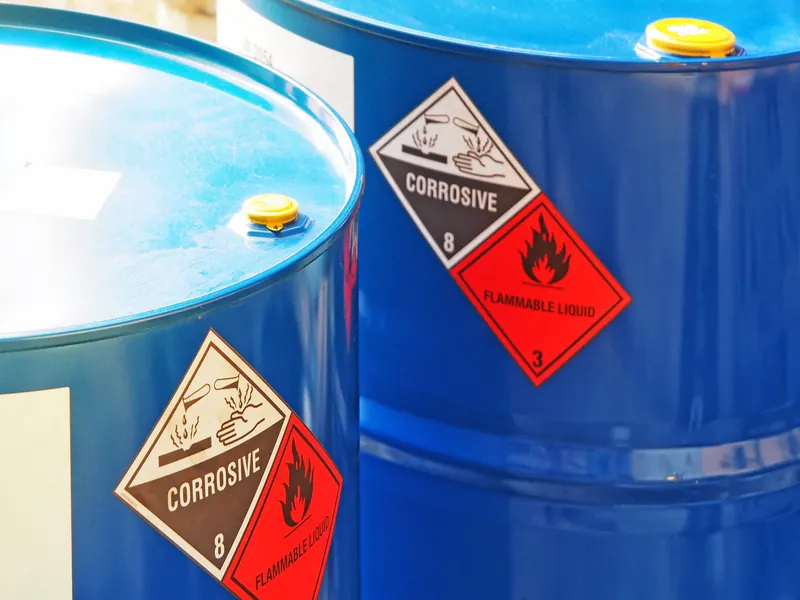 WHMIS Training
Learn hazard classes, pictograms, labels and Safety Data Sheets to work safely with chemicals.
View course
 Lockout/Tagout Training
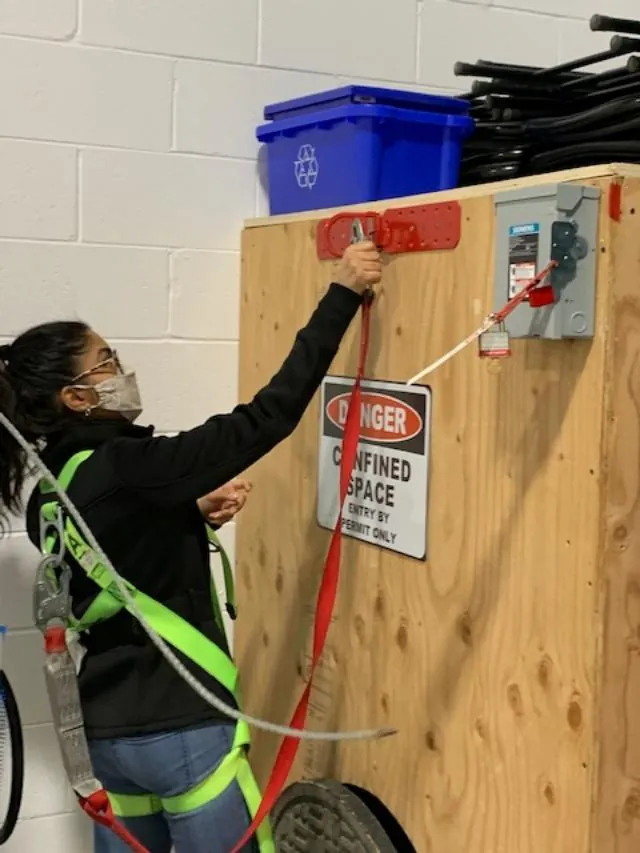
Hands-on lockout training to prevent unexpected machine start-ups and releases of hazardous energy.
View course
 Confined Space Entry
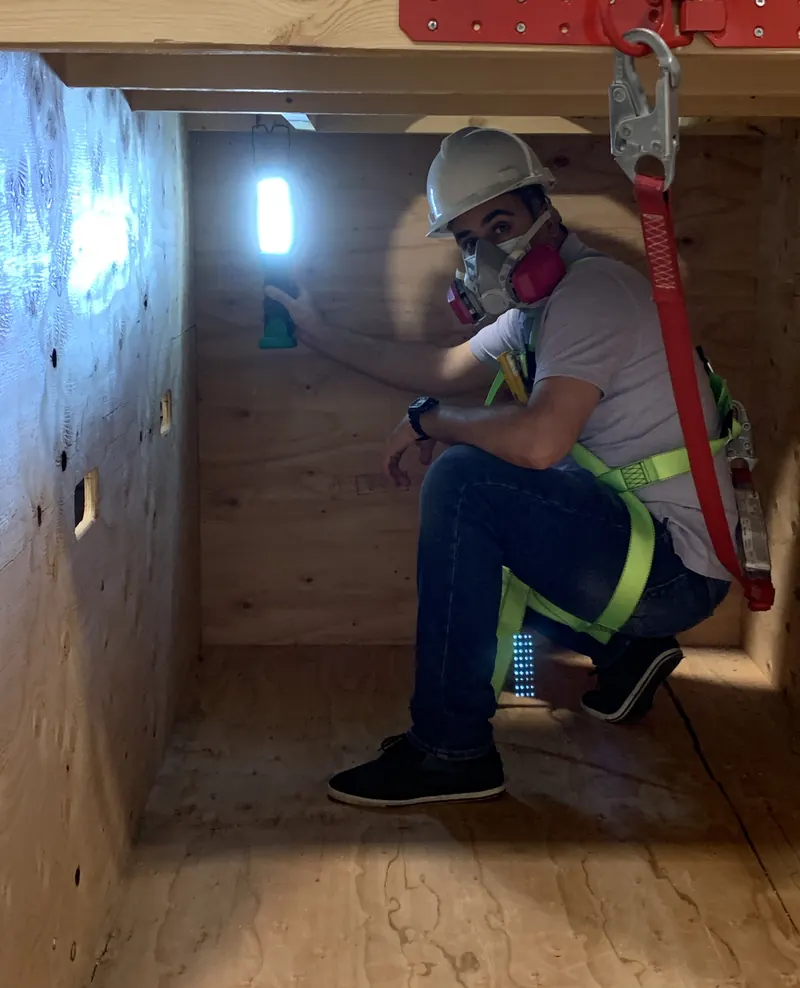
For supervisors, entrants and attendants: hazard assessment, entry plans, permits and rescue.
View course
Need training for your team?
Tell us the course, how many people and when. We'll come back with dates and a price, at our Concord centre or at your workplace.